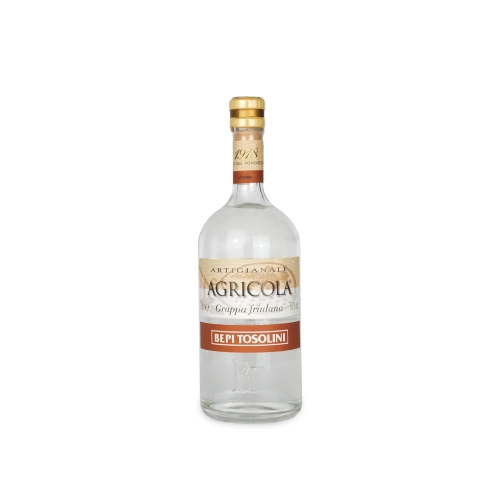
Grappa, that strong-charactered Italian distillate with an unmistakable aroma, holds a fascinating story of tradition, ingenuity, and an indissoluble link to its territory. Far from being a mere "by-product," grappa is an excellence of Made in Italy, with a rustic soul that blends with a growing pursuit of quality and refinement.

From Humble Pomace to the Art of Distillation: A Historical Journey
Grappa's origins are rooted in ancient times, likely tied to the need to avoid wasting pomace—the skins, seeds, and stems of grapes left after pressing for wine production. The earliest forms of distillation were rudimentary and aimed to obtain an alcoholic liquid for domestic or peasant use.
While it's difficult to pinpoint its exact birth, historical evidence suggests that distillation practices for pomace existed in some parts of Italy, especially in the North, as early as the Middle Ages. However, it was from the 17th-18th centuries onwards that distillation techniques gradually refined, with the appearance of more efficient stills and the birth of true "grape marc brandies."
The term "grappa" began to spread later, probably derived from the dialectal term "graspa" or "grapa," which referred to the grape stem. Its establishment as a valuable distillate is a more recent process, culminating in the recognition and protection of its name and various types.
A Universe of Aromas: The Many Faces of Grappa
Often relegated to the role of an "ammazzacaffè" (coffee killer), grappa is much more than a simple digestivo. It's the essence of pomace, the beating heart of the grape that, through a skillful distillation process, transforms into a precious liquid, rich in aromas and nuances derived from its four key cornerstones:
The Grape Variety: The type of grape from which the pomace comes is fundamental. Single-varietal grappas (obtained from a single variety) enhance specific aromatic characteristics, such as the fruity notes of Moscato, the herbaceous ones of Sauvignon, or the more intense ones of Nebbiolo.
Distillation: The distillation method (bain-marie, direct steam, discontinuous, or continuous) significantly influences the quality and character of the distillate. Traditional copper stills are often associated with higher-quality grappas.
Aging: Just like other spirits, aging in wooden barrels (of different woods and sizes) gives grappa color, softness, and complex tertiary aromas, such as hints of vanilla, spices, dried fruit, and leather. "Young" grappas, on the other hand, are clear and retain the fresh scents of the pomace.
The Territory: The terroir, or the set of environmental and cultural characteristics of an area, is also reflected in the pomace and, consequently, in the grappa produced.
Curiosities to Savor:
A "Humble" Distillate Elevated to Excellence: Grappa, born as a way to recover a winemaking byproduct, is now a high-end product appreciated worldwide.
The "Filin" Tradition: In some regions of Northern Italy, there's a tradition of adding a drop of grappa to the bottom of a coffee cup (the "mazagran" or "ammazzacaffè"), a convivial ritual with an intense flavor.
Grappa as an Ingredient: Besides being enjoyed neat, grappa is used in various culinary preparations, from flavoring desserts to creating sauces and marinades.
Flavored Grappas: While purists might turn up their noses, there are grappas flavored with herbs, fruits, or spices, offering a different tasting experience often linked to local traditions.
A Journey Through Grape Varieties and Territories
Just like wine, every grappa tells a different story, closely linked to its grape variety and the territory where it originates. A sip of Moscato grappa will transport you into a riot of floral and fruity scents, while a grappa made from Nebbiolo grapes will envelop you with its austere and complex elegance.
Beyond Bitterness: A World of Tastings
Forget the image of grappa as a strong, pungent drink. Today, production has evolved, offering soft, balanced, and pleasant grappas. There are young, fresh, and lively grappas, perfect for finishing a light meal, and aged grappas, complex and enveloping, ideal for sipping slowly, perhaps accompanied by a piece of dark chocolate or a good cigar.
Grappa is a fascinating universe just waiting to be explored. The next time you find yourself in front of a bottle, don't stop at the first impression. Instead, let yourself be intrigued, smell the aromas, savor the nuances, and remember its journey from humble origins to excellence, leading to a distillate that embodies the authentic soul of Italy... Cheers!