There is a moment that comes near the end of every lunch or dinner, and it is often the one remembered most fondly.

The dishes have been cleared, the coffee has been served, and the conversation flows on without anyone checking the time. Someone gets up to grab a bottle, someone else asks what there is to drink, and almost without realizing it, the end of the meal becomes the most pleasant way to extend the time spent together. You don't need dozens of bottles or a well-stocked cellar. Just a few different choices are enough to suit different tastes and occasions. There are those who prefer a citrus liqueur, those who wouldn't pass up an herbal amaro, and those who choose a mirto, a grappa, or, on warmer evenings, a good gin.

Here are a few ideas to always have a selection on hand that can satisfy everyone, without giving up the pleasure of introducing something new.

The scent of citrus that charms everyone

When it comes to the end of a meal, limoncello remains one of the great classics. Fresh, aromatic, and best served well-chilled, it is a choice that easily pleases most guests. While the scent of lemons immediately evokes the Mediterranean, Limoncello Gargiulo brings the full tradition of the Sorrento Coast to the glass, making it a must-have for lovers of classic flavors.

Alongside the great classics, however, there is also room for pleasant discoveries. This is the case with S’Anima de Pompia, a liqueur made from Pompia, one of Sardinia's rarest citrus fruits, grown mainly in the Siniscola area. Many have never heard of it, and that is precisely what makes it so interesting: offering it at the end of a meal means giving guests a taste of a lesser-known tradition, which often becomes the starting point for a new conversation.

When and how to serve them:

  • well-chilled
  • after a fish-based lunch or dinner
  • with dry biscuits or citrus-flavored desserts
  • during summer evenings

When the end of the meal tastes of "amaro"

There is a question that, sooner or later, always comes up: "Do you have an amaro?"

For many, it is the natural way to end a meal, and every bottle tells a different story of herbs, time-honored recipes, and ingredients tied to the land. Those who love mountain flavors can turn to Amaro Hantak, born in Lessinia and inspired by Cimbrian culture. For those who prefer products made with organic ingredients, Amaro Rubino Bio offers an interesting alternative.

If, on the other hand, you want to bring something out of the ordinary to the table, Amaro al Carciofo Paesano, made with Nostrum Artichokes from Niscemi, blends the tradition of artichokes with that of the after-dinner drink. It is an intriguing choice that many appreciate specifically as a digestif. Three very different amari, yet all shared by their ability to tell the story of the land they come from.

Mirto: a small sip of Sardinia

There are some liqueurs that manage to evoke a place even before they are tasted. Mirto is one of them. Its aroma immediately recalls the Mediterranean scrub and Sardinian landscapes, making it one of the most popular choices to accompany the end of a meal.

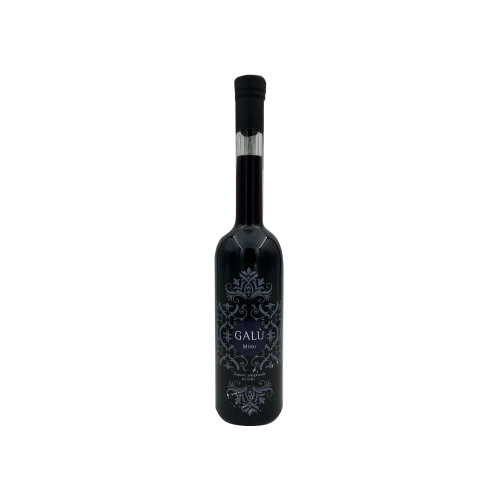
If you love this tradition, Ruju by Istinto Sardo wins you over with a gentle pressing of the berries, designed to preserve their fragrances and aromas. Galù, on the other hand, stands out for the high quantity of berries used in the infusion – one kilogram for every liter of alcohol – and for an entirely artisanal production that respects the most essential recipe: only berries, alcohol, water, and sugar.

Served slightly chilled, it is capable of winning over both those who already know it and those tasting it for the first time.

Ideas for moving beyond the great classics

One of the best things about the end of a meal is that it often offers the opportunity to make new discoveries. That is why I want to take you, at least for a moment, beyond the great classics and guide you to discover flavors you might have never tasted before, which tell the stories of very special lands, traditions, and ingredients.

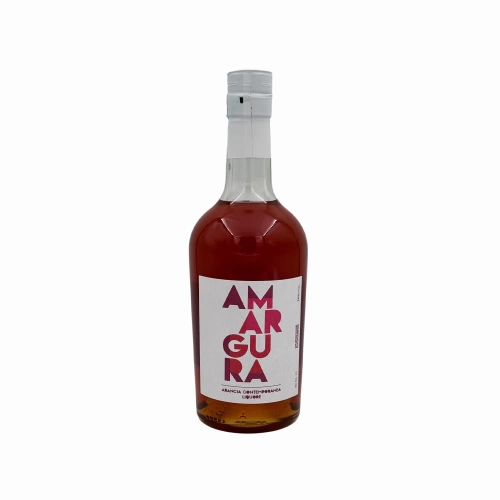
Orange, for example, with its intense aroma and its balance of sweetness and freshness, easily finds its place at the end of a meal, especially alongside dessert. This idea inspired Amargura, the Contemporary Orange Liqueur by Istinto Sardo, which highlights this citrus fruit in an original way, enhancing its fragrance and character.

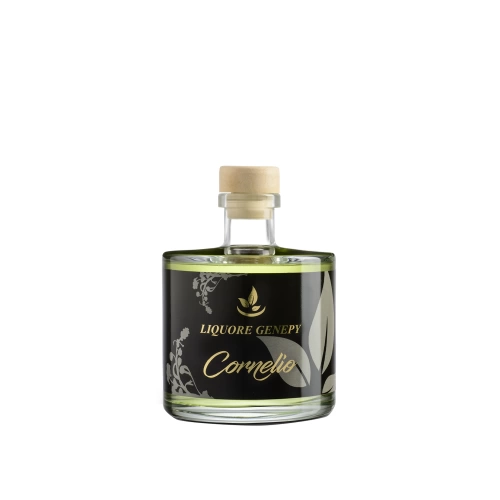
Moving instead to the Alps, the end of the meal changes completely. Here, Genepy takes center stage, named after the mountain plant of the same name (Artemisia mutellina), which has always been tied to Alpine tradition. Genepy Cornelio, obtained from the infusion of this plant, is a delightful discovery for those who love herbal aromas and wish to bring something out of the ordinary to the table.