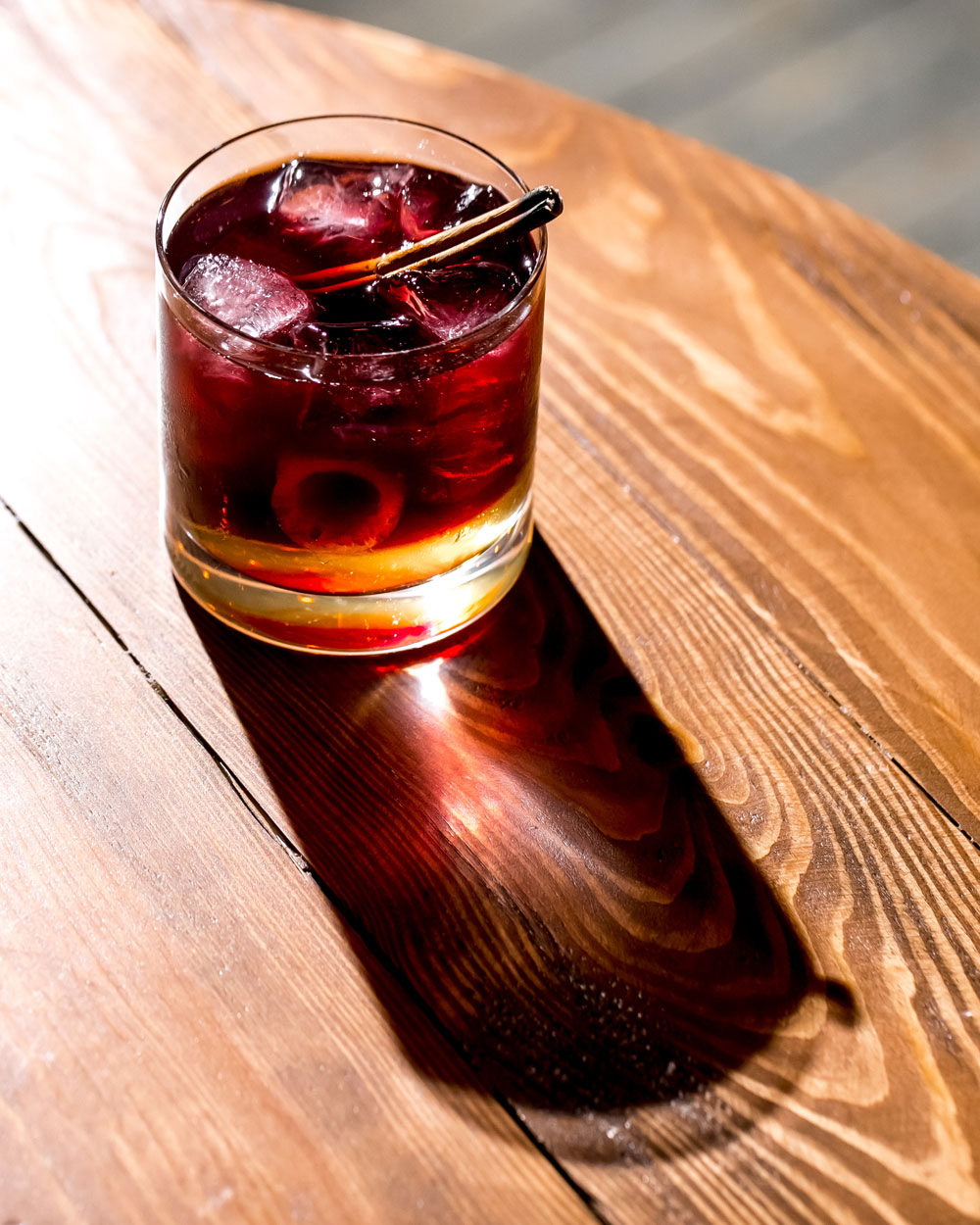
Fresh, sparkling, and extremely easy to make: the Amaro Tonic brings the character of Italian herbs into one of summer's most beloved rituals.

There are summer evenings when you don't need a complicated cocktail. All it takes is a glass filled with ice, a bottle fresh out of the fridge, and that unmistakable sound of tonic water being poured slowly.

For many, this scene means a gin and tonic—a simple, refreshing, and comforting drink that has become an aperitivo staple. Yet, while keeping the ritual virtually unchanged, you can completely shift the aromatic profile of the glass. Instead of gin, in comes the amaro.

Thus, the amaro tonic is born: an essential long drink made of amaro, tonic water, ice, and a thoughtfully chosen garnish. A quick and easy serving that transforms the classic post-meal digestif into a crisp, long, and surprisingly contemporary drink.

The gesture is that of a gin and tonic, the taste is purely Italian.

Those who love a gin and tonic generally appreciate three key qualities: freshness, simplicity, and the ability to detect distinct aromas in the glass. The amaro tonic builds on this exact foundation.

The ice holds the temperature, the effervescence makes each sip more dynamic, and the tonic lengthens the spirit without washing away its personality. However, instead of gin’s botanicals, what comes forward are medicinal herbs, roots, barks, spices, flowers, and citrus peels.

Every amaro carries a different geography. Some evoke the Mediterranean scrub, while others recall mountain woods, alpine herbs, or southern citrus groves. Certain ones are gently floral, others balsamic, herbaceous, or boldly bitter. An amaro tonic lets you explore this range without having to take on the intensity of neat sipping.

It isn't a matter of simply watering down the liqueur. The carbonation and the bittering element of the tonic can open up the spirit's aromatic profile, bringing subtle nuances to light. Even in mixology, combining an amaro with a sparkling mixer is a staple method for crafting simple, refreshing highballs—with the mix of amaro and tonic standing out as the most effortless version.

What exactly is an amaro tonic?

It is a cocktail built directly in the glass, usually a highball or a large wine glass.

  • The basic formula is very simple:
  • 4 to 5 cl of amaro
  • 10–15 cl of tonic water
  • Plenty of ice

A citrus peel or an aromatic garnish

There is, however, no strict ratio. A proportion of roughly one part amaro to three parts tonic water is a great starting point for a crisp, balanced drink. Those who want to highlight the spirit's character can slightly reduce the tonic; those looking for a lighter, more refreshing sip can increase it. Various professional takes use ratios ranging between one part amaro and two to three parts tonic, proving just how adaptable this drink is to both the product's profile and personal preference.

How to prepare it properly

Simplicity does not mean a lack of attention. When there are few ingredients, every detail becomes more apparent.

Fill the glass completely with large, solid ice cubes. Too little ice melts faster and risks diluting the drink before you even finish it.

Pour the amaro over the ice and slowly add the well-chilled tonic water, preferably letting it slide down the inside rim of the glass.

Stir just once, gently, to avoid losing too much effervescence. Finish with a twist of lemon, orange, or grapefruit peel. Before placing it in the glass, express it lightly over the surface of the drink: the essential oils from the peel will enhance the initial aromatic impression.

The result should remain crisp, effervescent, and balanced. The garnish is meant to highlight the character of the amaro, not to mask it.

How to choose the tonic water

Not all tonic waters produce the same result. The choice should mainly depend on the sweetness and aromatic profile of the amaro.

Classic tonic. It is the simplest starting point. Its bitter and citrus component pairs well with balanced amari featuring notes of herbs, spices, and peels. An Indian tonic with a good balance between sweetness and bitterness keeps the liqueur recognizable without making the drink excessively sharp. In the Finepasto selection, the Gemellii Indian Tonic Water is described precisely through the balance between its sweet component and the bitterness provided by quinine.

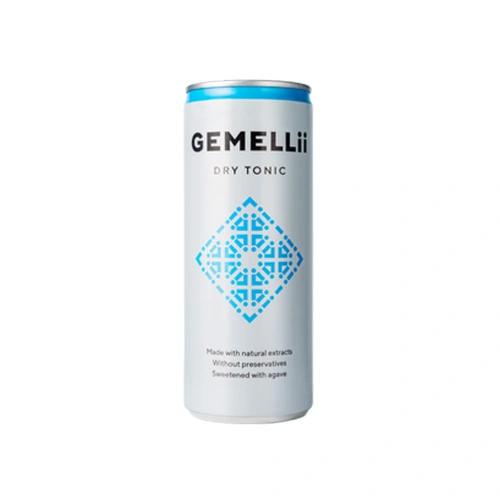
Dry tonic. It is particularly suitable when the amaro is smooth, sweet, or shows notes of caramel, honey, and ripe fruit. A dry tonic lightens the sugary sensation and makes the finish drier. It can also be a good choice for those who usually drink very dry gin and tonics and want to gradually approach the world of amari. We recommend Gemellii Dry Tonic Water as a mixer with an essential profile, designed for cocktails where greater clarity is desired.

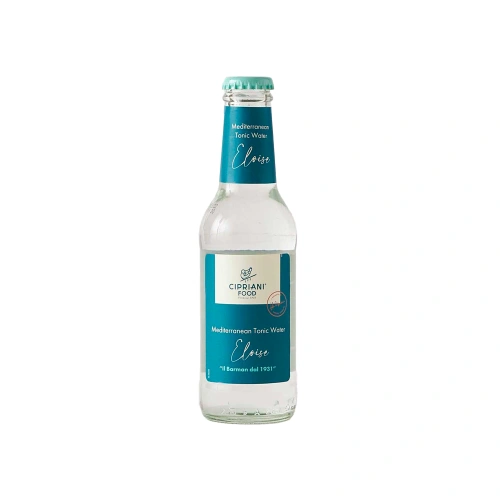
Mediterranean tonic. Tonic waters enriched with aromatic herbs and citrus are interesting with balsamic, floral, or Mediterranean scrub-inspired amari. Rosemary, thyme, and citrus notes can build a bridge with the botanicals already present in the liqueur. Eloise Cipriani Mediterranean Tonic, for instance, features a botanical and floral profile with a more delicate bitterness compared to a classic Indian tonic. It can therefore accompany the amaro without masking its aromatic nuances.

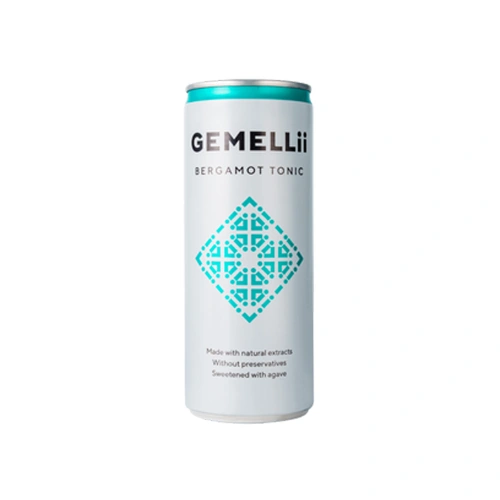
Bergamot tonic. It is a suitable choice for citrusy amari or those that need a bright, fragrant note. Bergamot can enhance bitter orange, lemon, citron, and grapefruit peels, making the drink particularly summery. Gemellii Bergamot Tonic uses Calabrian bergamot precisely to build a citrusy and refreshing profile.

Quale amaro mettere nel bicchiere?

La risposta più semplice è: quello che vi piace già.

Preparare un amaro tonic è anche un modo utile per osservare sotto una luce nuova una bottiglia che solitamente viene servita liscia o con un cubetto di ghiaccio. Per iniziare, però, si possono seguire alcune direzioni.

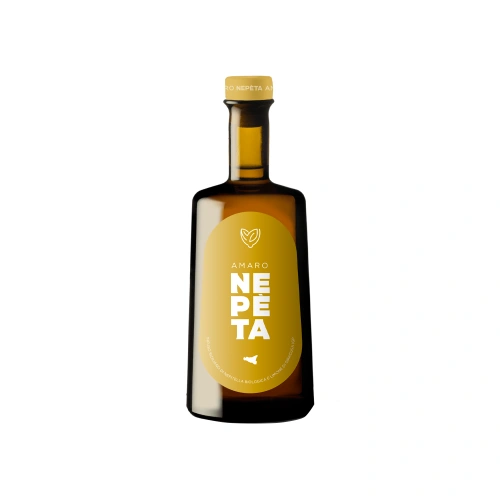
  • Amari agrumati. Gli amari con limone, arancia amara, cedro o bergamotto producono drink freschi e immediati. Possono essere abbinati a una tonica classica o secca e completati con una scorza dello stesso agrume. Un esempio è Amaro Nepeta, nel quale la nepitella incontra Limone di Siracusa IGP, artemisia, arancia amara e genziana. Il suo profilo erbaceo e agrumato offre una base adatta a un amaro tonic luminoso e mediterraneo.
  • Amari erbacei e balsamici. Menta, ruta, timo, tiglio e piante officinali producono una bevuta più verde, intensa e profumata. In questo caso può funzionare una tonica neutra oppure una mediterranea non troppo invasiva. Come guarnizione si può scegliere una scorza di limone, una foglia di menta o un piccolo rametto di rosmarino, evitando di accumulare troppi aromi. Amaro Rubino Lunatico, per esempio, presenta note balsamiche, un’amarezza decisa, una componente agrumata e un richiamo alla menta selvatica. Amaro Hântak racconta invece le erbe della Lessinia attraverso un profilo intensamente erbaceo e balsamico, nel quale emergono ruta e tiglio.
  • Amari morbidi e speziati. Quando prevalgono note dolci, speziate, di cola, cacao, vaniglia o caramello, è preferibile scegliere una tonica secca. Le bollicine alleggeriscono la struttura, mentre l’amaro della tonica evita che il drink diventi stucchevole. Una scorza d’arancia o di pompelmo aggiunge freschezza senza cambiare la natura del liquore.
  • Amari vegetali. Carciofo, rabarbaro, genziana e radici creano amaro tonic dal carattere più gastronomico. Il loro profilo può essere accompagnato da una tonica classica e da una fetta sottile di arancia o pompelmo. L’Amaro al Carciofo di Niscemi Paesano, realizzato con cuori e gambi di carciofo uniti a un infuso di erbe, rappresenta bene questa famiglia vegetale.

Tre abbinamenti da cui iniziare

Per un amaro tonic fresco e agrumato, utilizzate un amaro al limone o all’arancia amara, tonica classica e scorza di limone.

Per una versione erbacea e mediterranea, scegliete un amaro balsamico, una tonica mediterranea e una scorza di pompelmo.

Per un drink più secco e deciso, abbinate un amaro morbido o speziato a una dry tonic e completate con una scorza d’arancia.

Non è necessario aggiungere succhi, sciroppi o altri distillati. Il fascino dell’amaro tonic consiste proprio nella possibilità di raccontare due prodotti attraverso una preparazione essenziale.

Gli errori da evitare

Il primo è scegliere una tonica troppo dolce per un amaro già morbido. Il risultato rischia di diventare pesante dopo pochi sorsi.

Il secondo è utilizzare poco ghiaccio. Un bicchiere pieno di ghiaccio mantiene meglio la temperatura e limita una diluizione troppo rapida.

Il terzo è eccedere con le guarnizioni. Rosmarino, menta, fette di agrumi, spezie e bacche nello stesso bicchiere possono trasformare il drink in un insieme confuso di profumi.

Infine, bisogna ricordare che “fresco” non significa analcolico. La tonica allunga il liquore e modifica la percezione del sorso, ma la quantità di alcol dipende sempre dalla dose e dalla gradazione dell’amaro utilizzato.

Un nuovo modo di scoprire l’amaro

L’amaro non deve necessariamente restare confinato alla fine del pasto, servito liscio in un piccolo bicchiere. Con ghiaccio e tonica può mostrare un volto più leggero, conviviale e contemporaneo, senza perdere la propria identità. Al contrario, l’allungamento può aiutare a distinguere meglio alcuni aromi e a comprendere quanto sia ampia la famiglia degli amari italiani.

Per cominciare non servono conoscenze da bartender. Serve una bottiglia di amaro, una buona tonica molto fredda e abbastanza ghiaccio. Il resto è curiosità.

La prossima volta che state per preparare il solito gin tonic, lasciate il gin sullo scaffale. Scegliete un amaro, ascoltate il rumore delle bollicine e osservate come cambia il bicchiere. Potreste scoprire che l’estate ha anche un lato amaro. Ed è molto più fresco di quanto immaginavate.